Gum Grafting
Gum grafting helps protect your teeth and restore your smile by covering exposed roots. It can reduce sensitivity, prevent gum recession, and improve appearance. This supports long-term oral health and comfort, giving you confidence to eat, speak, and smile easily.
Gum Grafting in Nashville, TN
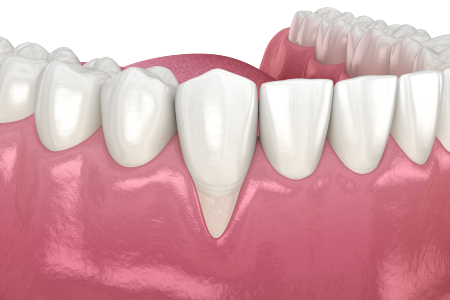
Gum grafting is a common dental procedure used to treat receding gums and protect your teeth. When gum tissue pulls away, it can expose sensitive roots, increase the risk of decay, and affect your smile. During a gum graft, your dentist carefully places healthy tissue, often from another area of your mouth, over the exposed areas to restore coverage. This helps reduce sensitivity, prevent further damage, and improve appearance.
Gum grafting is typically recommended when recession is significant or progressing. With proper care, the results can be long-lasting and help keep your smile healthy and comfortable for years ahead.
-
When is a gum graft recommended?
Gum grafting is often recommended when gums have receded, exposing tooth roots and increasing sensitivity, decay risk, or an uneven smile. It may be suggested if brushing feels painful or if teeth appear longer than before. A graft helps protect roots, reduce discomfort, and restore a healthy gum line. Your dentist will gently evaluate your needs and explain options, so you can feel confident about improving your comfort and oral health.
-
Are gum grafts painful?
Gum grafts are a common procedure used to restore receding gums, and many patients worry about discomfort during the procedure. The good news is that the procedure is well managed with local anesthesia, so you should not feel any pain during the treatment. Afterward, mild soreness is normal and can usually be managed with medication and proper care. Most people find recovery easier than expected and quickly return to normal routines.
-
What aftercare is needed after a gum graft?
After a gum graft, gentle care helps your mouth heal comfortably. Expect mild soreness and follow your dentist’s instructions closely. Eat soft, cool foods, avoid brushing the treated area, and rinse as directed. Do not smoke or use straws, as this can disturb healing. Take prescribed medications, rest, and keep follow-up appointments. Contact us if you notice unusual pain, swelling, or bleeding. We’re here to support you through your recovery.
More Questions About Gum Grafts?
If gum grafting sounds like it might be right for you, give us a call to discuss your options!